Oct 03, 2026
Oct 03, 2026
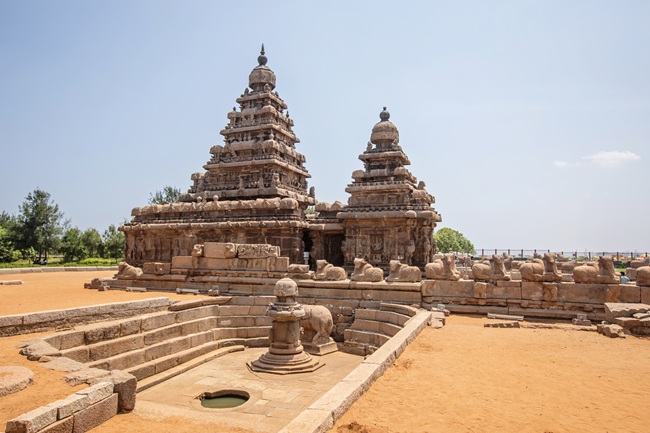
India is known for ancient temples since ages. The land is popular for architectural beauties in the country. In particular, South India’s temple architecture stands as one of the most remarkable artistic traditions in the world—an intricate blend of spirituality, engineering marvels, and cultural expressions carved in stone.
These temples, scattered across Tamil Nadu, Karnataka, Andhra Pradesh, Telangana, and Kerala, are not merely places of worship; they are vast cultural ecosystems that reflect the intellect, imagination, and devotion of ancient Indian civilization.
The architectural heritage is rooted in the Dravidian style, which evolved through the patronage of powerful dynasties—the Pallavas, the Cholas, the Pandyas, and later the Vijayanagara rulers. Each dynasty contributed unique architectural innovations, resulting in an aesthetic that is both unified and wonderfully diverse.
The Pallavas laid the foundation for structural temple art, particularly at Mahabalipuram, where the Pancha Rathas and the Shore Temple stand as early experiments in carved stone architecture. The Cholas, known for their majestic building programmes, elevated temple architecture to breath-taking heights. The Brihadeeswara Temple at Thanjavur remains a crowning achievement, celebrated for its towering Vimana, outstanding bronze sculptures, and masterful symmetry. Its engineering sophistication—especially the massive monolithic dome—continues to inspire historians and architects.
One of the most iconic elements of South Indian temples is the Gopuram, the monumental gateway tower that dominates the temple skyline. These gateways are especially prominent in Tamil Nadu, and serve as visual spectacles and symbolic markers of spiritual ascent. The Meenakshi Amman Temple in Madurai and the Ranganathaswamy Temple at Srirangam speak of Gopurams intricately covered with deities, mythical beings, and narrative sculptures. Their vibrant forms transform stone into living storytelling, inviting visitors into a world shaped by devotion and imagination. The Nataraja Swamy temple in Chidambaram is remarkable for variety of architectural beauty.
The thousand-pillar halls of Madurai and Srirangam, though symbolic in number, reveal the extraordinary craftsmanship of their creators. Each pillar is adorned with carvings—dancers poised mid-movement, celestial beings, animals, and mythical creatures—captured with astonishing detail and grace.
The progression from the gopuram to the innermost sanctum mirrors the spiritual journey from the outer material world to inner consciousness. Sculptures are not mere decorations; they are codified expressions of philosophy, cosmology, and moral values.
The Vijayanagara Empire further enriched this heritage with contributions visible in Hampi, where the Vittala and Virupaksha temples display unique architectural innovations. The musical pillars of the Vittala Temple, the iconic stone chariot, and the expansive courtyards exemplify the empire’s creativity and grandeur.
South Indian temples also played significant socio-cultural roles. They served as centres for education, dance, music, and community life. They sustained large networks of artisans, traders, priests, and scholars, acting as both spiritual and economic hubs. The artistic beauties enhanced the glory and image of these temples throughout the world.
Safeguarding these temples is vital, not only to preserve architectural treasures but to honour the cultural legacy. The hands that toiled in the construction of these temples shall be remembered for their extraordinary work symbolized by the immortal art rooted in history.
The temple architecture of South India is a testament to humanity’s ability to carve eternity out of stone. It is a reminder that creativity, when infused with devotion and purpose, can transcend time and become heritage for generations. One must visit these temples once in lifetime.
Image of Shore Temple - Mahabalipuram (c) istock.com
10-Jan-2026
More by : Dr. P.V. Laxmiprasad
Top | Architecture | Home
