Oct 18, 2026
Oct 18, 2026
A Comparative Analysis of Mineral, Well, Still, and River Water
Water is not just essential for life; it plays a crucial role in public health. The quality, source, and treatment of drinking water greatly affect human well-being, disease prevention, and long-term health. In recent years, concerns about water safety have grown due to industrialization, urban growth, climate change, and poor regulation. In this context, a comparison of common drinking waters—mineral water, well water, still water, and river water—shows the complex relationships between natural compositions, human actions.
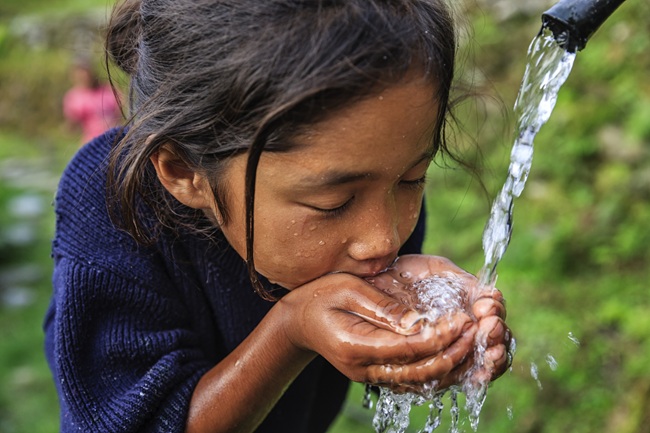
Water is not just a life-sustaining resource; it is a key factor in public health. The quality, source, and treatment of drinking water greatly affect human health, disease prevention, and long-term outcomes.
Recently, worries about water safety have grown due to industrialization, urban growth, climate change, and poor regulation. In light of this, comparing commonly consumed drinking waters—mineral, well, still, and river water—shows the complicated relationship between natural composition, human actions, and, and public health risks. Mineral Water: Purity with Caveats Mineral water is often seen as the best option for safe drinking water. It comes from natural springs or underground sources and contains minerals like calcium, magnesium, potassium, and bicarbonates that can benefit health. These minerals support bone strength, metabolic functions, and heart health. Additionally, mineral water is usually subject to strict quality controls and bottling rules, which help reduce microbial contamination. However, the positive image of health risks. Mineral Water: Purity with Limits People often see mineral water as the safest choice for drinking.
It comes from natural springs or underground sources and contains minerals like calcium, magnesium, potassium, and bicarbonates that can benefit health. These minerals help with bone strength, metabolism, and heart health. Additionally, mineral water usually follows strict quality controls and bottling rules, which reduces microbial contamination. However, the health benefits of mineral water have some drawbacks. High levels of minerals— mineral water has its drawbacks. High levels of certain minerals—especially sodium or fluoride—can be harmful for people with high blood pressure, kidney problems, or dental fluorosis. Furthermore, the heavy reliance on bottled mineral water raises environmental and economic issues, including plastic waste and unequal access, which creates ethical concerns in public health discussions. Well Water: Tradition Meets Vulnerability Well water has long been a main drinking water source, particularly in rural and semi-urban areas. It is taken from underground especially sodium or fluoride—can be harmful for those with high blood pressure, kidney problems, or dental issues. Moreover, the widespread use of bottled mineral water raises environmental and economic issues, including plastic waste and unequal access
This situation raises ethical questions about public health. Well Water: Tradition Meets Risk Well water has been a key source of drinking water in rural and semi-urban areas for a long time. It comes from underground aquifers, where it is naturally filtered through soil and rock, often aquifers and naturally filtered through soil and rock, often resulting in water rich in essential minerals. When clean, well water can be nutritious and affordable.
Yet, well water is highly susceptible to contamination. Agricultural runoff with pesticides and fertilizers, leaks from septic tanks, industrial waste, and naturally occurring arsenic or fluoride can make it unsafe. Unlike municipal water, well water rarely undergoes regular testing, putting the responsibility for safety on individual households. As a result, drinking untreated well water can lead to resulting in mineral-rich water. When clean, well water can be both nutritious and affordable. Yet, well water is very susceptible to contamination.
Agricultural runoff with pesticides and fertilizers, leaks from septic tanks, industrial waste, and natural arsenic or fluoride can make it unsafe. Unlike city water, well water usually doesn't get routine testing, putting the burden of safety on individual households. As a result, drinking untreated well water has been linked to gastrointestinal infections, fluorosis, and other long-term health issues, highlighting a persistent public health challenge. Still Water: Neutral but Not Infallible Still water, generally considered non-carbonated water from municipal supplies or natural sources, occupies a middle ground in the drinking water landscape.
When it comes from treated municipal systems, still water goes through purification processes, such as filtration, chlorination, or ultraviolet treatment, which greatly reduce microbial risks. This highlights a quiet but serious public health threat.
Still Water: Neutral but Not Perfect Still water, defined as non-carbonated water that can come from public supplies or natural sources, is in the middle of the drinking water range. When it comes from treated municipal systems, still water undergoes purification methods such as filtration, chlorination, or ultraviolet treatment, which greatly lower microbial risks. However, the safety of still water depends on the quality of the infrastructure and regulation. Old pipes, inconsistent supply, and poor treatment can result in contamination from pathogens, heavy metals, or chemicals. In bottled forms, still water might lack beneficial minerals, making it nutritionally ineffective.
Therefore, while still water is generally safe, its health benefits depend on the quality and transparency of its source. River water now poses a significant public health threat. Rivers are increasingly polluted by raw sewage, industrial waste; water depends on the quality of infrastructure and regulatory supervision. Old pipes, inconsistent supply, and insufficient treatment can cause contamination from pathogens, heavy metals, or chemical remains.
In bottled forms, still water might not contain beneficial minerals, making it nutritionally ineffective. Therefore, while still water is mostly safe, its health value relies on transparency about its source and quality assurance. While river water can be made safe with extensive treatment, drinking it directly without purification is very dangerous.
River water often contains harmful bacteria, viruses, parasites, and toxic substances, leading to diseases like cholera, typhoid, dysentery, and hepatitis. The decline of river ecosystems threatens human health and points to systemic failures in managing the environment. To ensure river water safety, it is religious offerings, and agricultural chemicals.
Although river water can be made safe to drink through advanced treatment, using it directly without purification is very dangerous. River water often contains harmful bacteria, viruses, parasites, and toxic substances, leading to diseases like cholera, typhoid, dysentery, and hepatitis.
The decline of river ecosystems not only threatens human health but also shows failures in environmental management. Making river water safe requires major investment in infrastructure, strict enforcement of pollution laws, and community awareness crucial to invest in infrastructure, enforce pollution control laws, and raise community awareness.
The comparison of mineral, well, still, and river water shows that no water source is completely safe or unsafe. Instead, safety depends on geology, human actions, treatment, and regulation. As health crises become more frequent, having access to clean drinking water should be seen as a basic public health need, rather than a luxury.
Sustainable water management, thorough monitoring, and public education are crucial to protecting this vital resource. The quality of the water we drink directly influences the quality of our lives. Management, careful monitoring, and public education are essential to protect this vital resource—because the quality of the water we drink reflects the quality of the lives we live.
Image (c) istock.com
14-Feb-2026
More by : Dr. P.V. Laxmiprasad

|
Dear Sir, you are is a thought provoking to know the value of water and its complexities. Great going Sir |
