Oct 18, 2026
Oct 18, 2026
Microplastics — plastic pieces less than five millimetres in size—are a big environmental and health worry today. They come from plastic waste that breaks down or from small beads in cosmetics and industrial stuff. These tiny particles are everywhere. In oceans, rivers, soil, air and even in our bodies. This is very alarming. Makes us wonder what will happen to us in the long run. One way microplastics affect us is by eating them. They are present in drinking water, seafood, salt, fruits and vegetables.
Fish and shellfish eat microplastics thinking they are food. When we eat these animals, the plastics go into our system. Some studies found microplastics in our blood, lungs and even in tissues from babies before they are born.
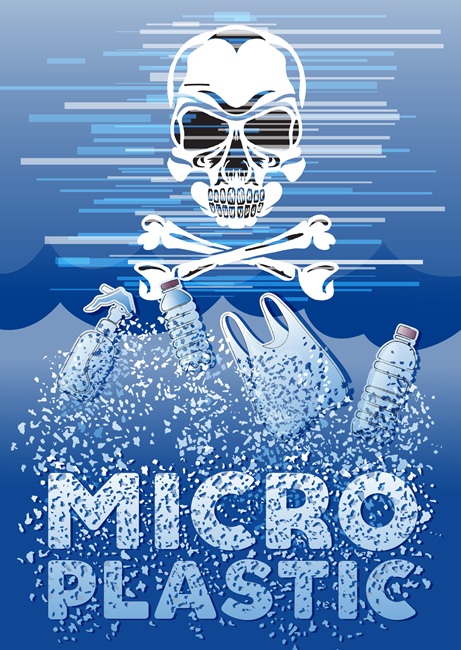
This means these plastics can move through our blood and gather in parts of our body. The bad effects of microplastics are both physical and chemical. Physically they can cause swelling. Hurt our tissues when they build up in our body. They are small enough to get into our cells and mess up how our body works. Chemically microplastics carry stuff like heavy metals, pesticides and pollutants that do not break down.
Many plastics have additives like BPA and phthalates which mess with our hormones. These chemicals can cause problems with reproduction, growth and even cancer. Microplastics also threaten us indirectly by hurting food security and ecosystems. In the ocean they mess up how marine life eats and grows, which means there are fish. This hurts the variety of life and communities that fish for a living. In farming microplastics in soil can make it worse reduce its fertility and stop plants from growing which affects how much food we can grow.
Airborne microplastics are another worry. We can breathe them in which can cause breathing problems and lung inflammation. Places with a lot of use and waste are especially at risk. We are still learning about the long-term effects of breathing in microplastics. Early findings suggest they might be linked to long-term breathing diseases. To deal with microplastics we need to do things. We must make plastic and use it more carefully.
Governments and groups must make rules about plastic use help use biodegradable things and improve waste management. People can help by using single-use plastics recycling correctly and supporting sustainable products. In conclusion microplastics are a big threat to our health and the environment. They can get into ecosystems and our bodies, which show we must deal with pollution now. If we do not act now and keep acting the bad effects of microplastics, on people might become permanent hurting the health of people now and in the future. We must take care of the microplastics problem to save our health and our planet.
Image (c) istock.com
18-Apr-2026
More by : Dr. P.V. Laxmiprasad
Top | Environment | Home
