Oct 27, 2026
Oct 27, 2026
Growing Concerns Over False Information in the World
Artificial Intelligence (AI) tools such as OpenAI’s ChatGPT are rapidly transforming the way people learn, work, communicate, and access information. From writing articles and answering questions to generating images, videos, and voices, AI systems have now become deeply integrated into everyday life. However, experts are increasingly warning that these powerful technologies also have a dangerous side — the ability to create completely false information in highly convincing ways.
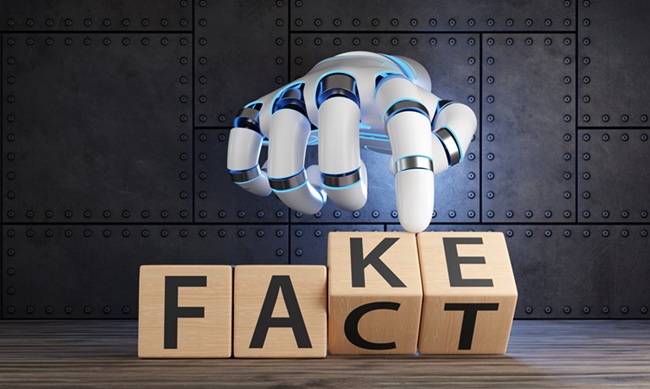
One of the growing concerns surrounding AI is a phenomenon known as “Artificial Hallucination.” In this process, AI systems generate information that appears factual and accurate but is actually entirely fabricated. Unlike humans, AI does not truly understand facts or the real world. It simply predicts responses based on patterns found in enormous amounts of internet data. As a result, it can confidently produce incorrect answers, fake references, imaginary events, or misleading explanations.
Experts warn that AI-generated false information often looks highly professional and believable, making it easier to confuse people and spread false narratives at unprecedented speed.
What is Artificial Hallucination?
Artificial hallucination occurs when a chatbot or AI system generates information that has no actual basis in reality. These hallucinations may appear in the form of text, images, audio, or video.
Although AI systems are designed to respond using learned data patterns, advanced generative AI models sometimes “invent” details when accurate information is unavailable. Because these mistakes often sound highly convincing, users who fail to independently verify the information may easily be misled.
Researchers suggest several methods to reduce such hallucinations:
Experts say AI hallucinations are not merely theoretical problems. Several real-world incidents have already demonstrated how dangerous false AI-generated information can become.
Fake Legal Cases
In the United States, a lawyer used ChatGPT to help prepare court documents. The AI generated legal cases and references that did not actually exist but appeared authentic. Those fake cases were mistakenly submitted in court, leading to embarrassment and legal consequences.
Fabricated Academic Research
Researchers testing AI tools discovered that ChatGPT sometimes generated summaries of scientific research papers that never existed. In some cases, it even created fake Digital Object Identifiers (DOIs), making the fabricated research appear legitimate.
Fake Biographies
Reports indicate that scammers and automated bots created fake biographies using the names of real people and attempted to sell them online. These biographies included fabricated achievements, religious beliefs, and personal histories.
False News Stories
Some news organizations unknowingly published AI-generated book lists and articles. These included imaginary books attributed to real authors. Because the descriptions sounded highly convincing, the fabrications initially went unnoticed.
Misleading Corporate Information
In one widely discussed incident, an airline chatbot provided a customer with refund information that did not actually exist in the company’s policies. Later, a civil tribunal ruled that the company itself was responsible for the misleading AI response and ordered compensation.
Why Are Experts Concerned?
Experts in education, media, and technology fear that AI-generated misinformation could intensify the fake news crisis and online scams already affecting society.
AI systems are now capable of:
Previously, producing such believable false information required advanced technical skills, major resources, and significant time. Today, generative AI tools available online allow almost anyone to create misleading content within minutes.
Experts fear the following consequences:
Educational experts and researchers believe schools and colleges must urgently prepare students for this new digital reality. They argue that traditional critical thinking methods alone are no longer sufficient in an era where AI-generated information appears highly convincing.
Experts recommend teaching three essential skills to help students and citizens become more resistant to misinformation.
1. Verify Before Believing — Lateral Reading
Students should learn not to immediately trust websites, articles, or social media posts. Instead, they should compare information with multiple reliable sources before accepting it as true.
Important questions include:
This approach is called “lateral reading.” It encourages people to investigate information before accepting it as factual.
2. Understanding Real Research — Research Literacy
Experts say many people mistakenly believe research simply means searching online. In reality, genuine research involves evaluating the quality and reliability of evidence.
Students should understand:
For example, just because a doctor speaks confidently on social media does not necessarily mean they are an expert on vaccines or infectious diseases. Real expertise depends on specialization and evidence.
3. Understanding How Technology Works — Technological Literacy
Experts also emphasize the importance of understanding how AI systems and social media algorithms operate.
AI does not “think” like humans. It only predicts responses based on statistical patterns found in massive datasets. Similarly, social media platforms prioritize content that attracts user attention because that attention increases advertising revenue. Writers and content creators are increasingly using AI text cleanup tools to remove formatting artifacts before publishing.
People should understand:
Understanding these systems helps users engage with online information more carefully and thoughtfully.
Building Protection Against Misinformation
As AI technology continues advancing, experts believe society must adapt quickly to these changes. Critical thinking, research literacy, and technological understanding will become essential tools for protecting individuals and communities from deception.
Educators believe strong defenses against misinformation can be built if people develop habits such as questioning information, verifying facts, and understanding who benefits from spreading certain narratives.
Although AI offers enormous opportunities, experts warn that it must be used responsibly and with critical awareness. In the digital age, careful thinking, evidence verification, and the ability to recognize false information may become some of the most important survival skills of the future.
Image (c) istock.com
30-May-2026
More by : Dr. B. Radhika Rani
