Sep 20, 2026
Sep 20, 2026
This year I have been experimenting with some outdoor gardening. Among the flowers and herbs, I have focused on growing from seeds: Calendula, French Flame marigolds and Rama Tulsi (Holy Basil). This essay features Calendula.
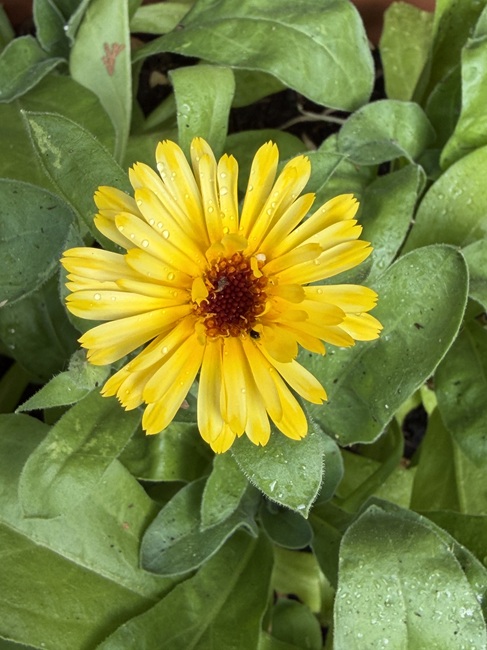
Calendula, a genus of several species of herbaceous plants, derives its name from Latin Calendae, meaning a little clock. The flowers open at dawn and majestically go to full bloom during the day and by dusk they start closing up. Calendula is most commonly cultivated as a herb and for medicines and also for usage in cosmetic products.
Calendula flowers are considered sacred and are used to decorate the statues in the temples in India. Like the marigolds, Calendulas also repel the garden pests.
Calendula has a mild sweet taste that is slightly bitter which becomes more intense in flavor as it dries. As a culinary usage, Calendula leaves and petals are edible and can be used fresh in leafy salads. It can also be used to add color to soups, poultry dishes, custards etc.
Calendula flowers are also used to extract dye to produce shades of honey, gold, yellow, light brown and orange.
Oil extracted from the Calendula flowers is used medicinally as an anti-inflammatory remedy for healing wounds. There are several ointments made for use on cuts, burns and skin irritation. As a herb, in tincture form, it is used for treating acne, controlling bleeding and reducing inflammation.
Calendula can also be consumed as a tea to relieve gastric inflammation, heartburns and sore throat. Herbal practitioners also use Calendula to repair intestines and stomach linings.
As a homeopathic remedy, Calendula is considered to be a remarkable healing agent when applied locally to open wounds, parts that will not heal, ulcers and when pain is highly disproportionate to injury. It is also recommended as an intercurrent homeopathic remedy for cancer. Also recommended for burns, sores, fissures and abrasions.
People who are allergic should not use Calendula.
Calendula grows easily in any well drained soil in full sun. Sow seeds half an inch deep in the soil. These should germinate within 7-14 days depending upon the weather and soil temperature. Calendulas don’t need heavy fertilizing and also prefer moderate water. Calendula is more commonly grown in flower gardens for borders and as companion plants as the Calendula flowers attract pollinators and beneficial insects.
I sowed the Calendula seeds directly in an outdoor plastic planter on April 11. 2026. The first sign of their germination appeared on April 16, 2026. As a companion plant, I sowed white Onion sets on April 25, 2026. Images below show the progress of both the Calendula and white Onion plants.
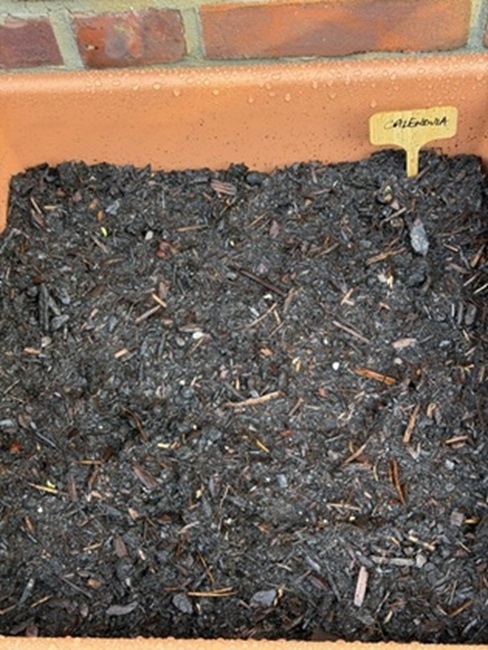
April 16, 2026
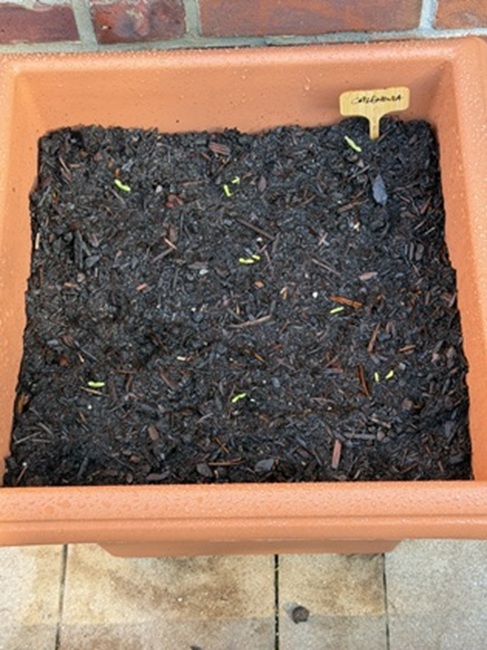
April 17, 2026
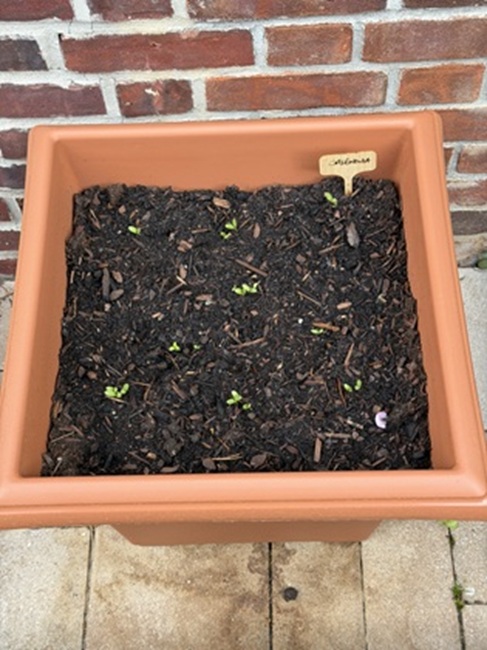
April 20, 2026
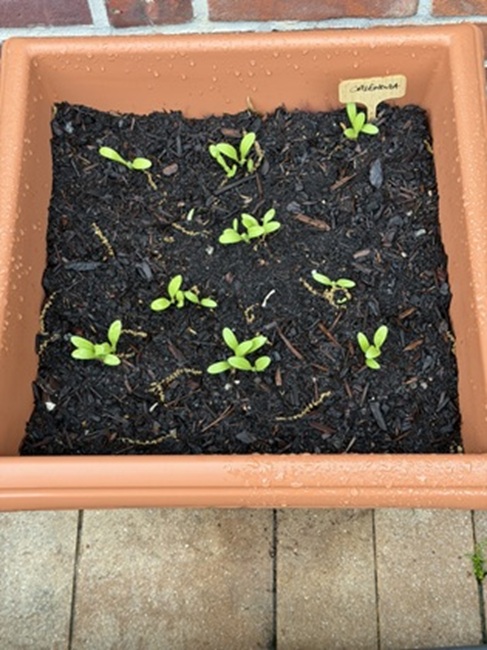
April 30, 2026
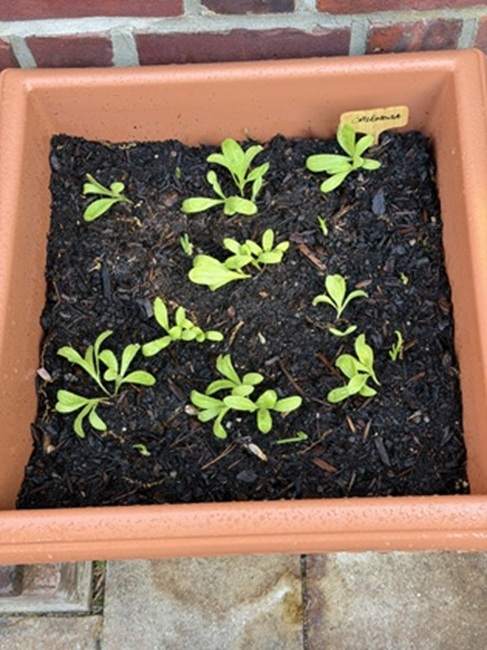
May 5, 2026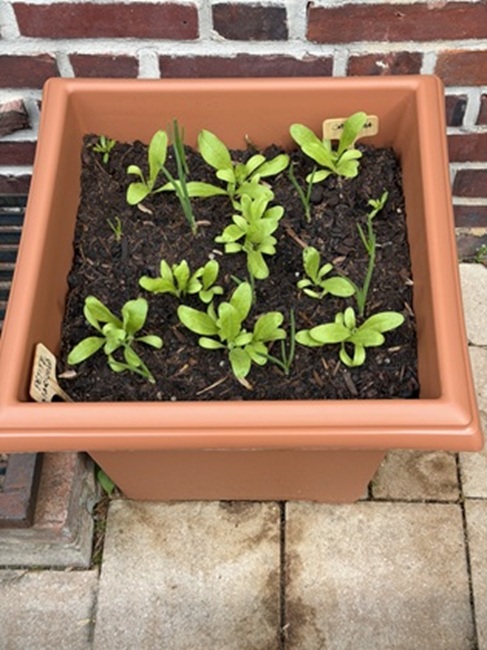
May 9, 2026
May 11, 2026
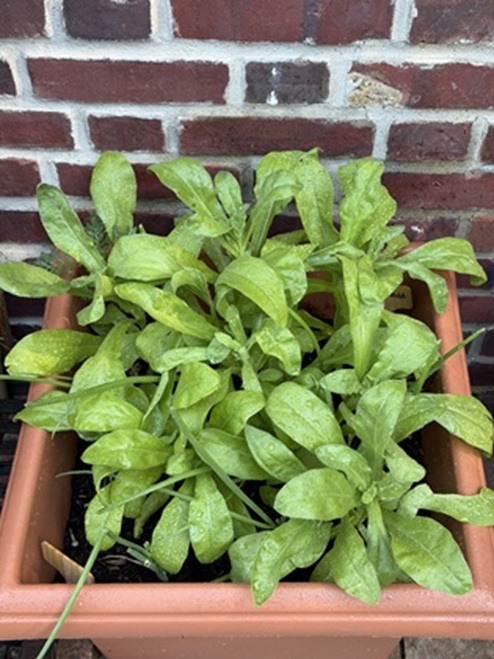
May 26, 2026
Calendula Buds emerging
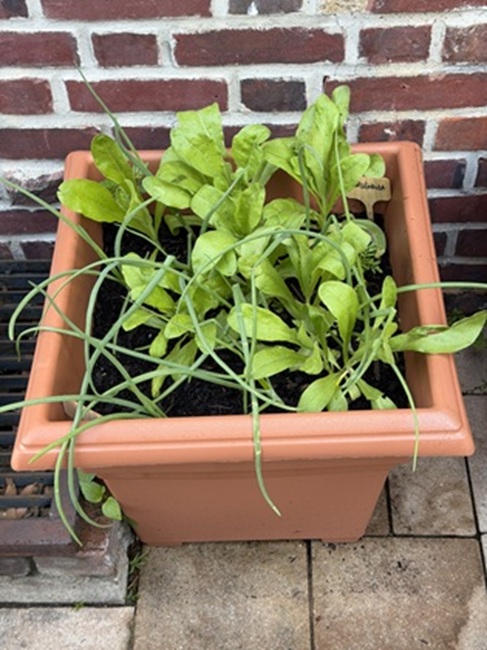
June 3, 2026
Onion greens ready for pruning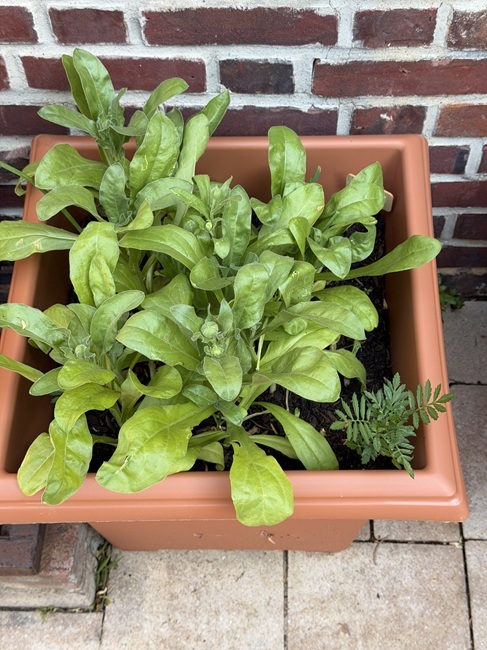
June 7, 2026
Calendula Buds Prominent
The planter is turned to reveal the hidden Marigold plant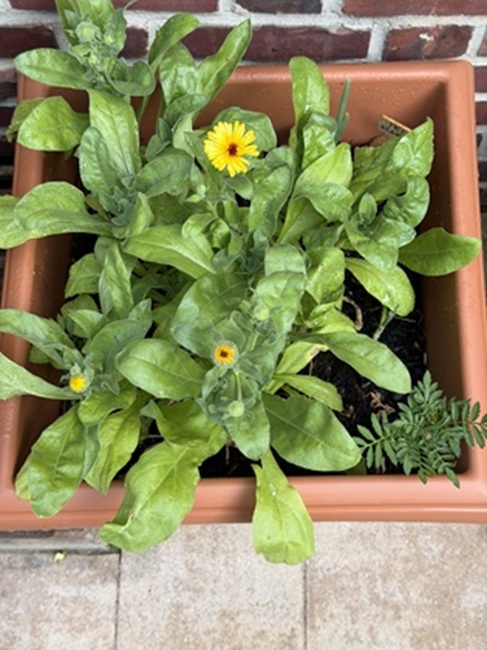
June 11, 2026
Calendula Flowers Bloom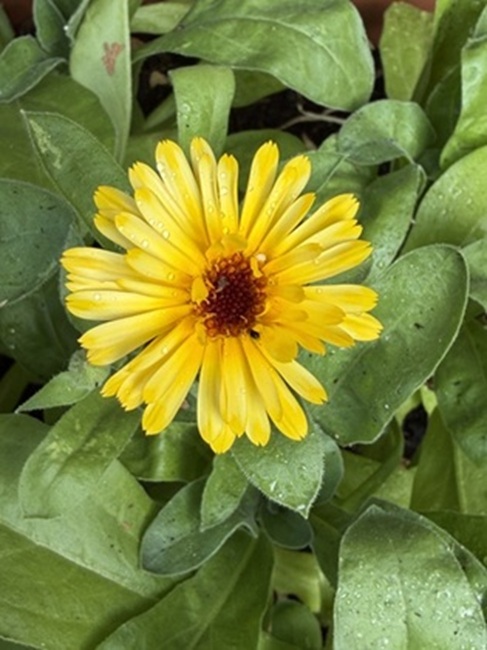
June 11, 2026
Close up
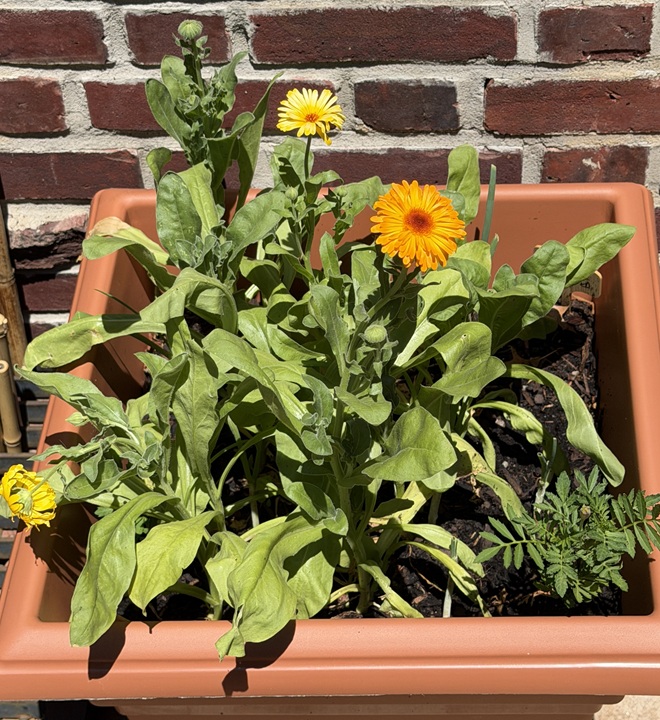
June 13, 2026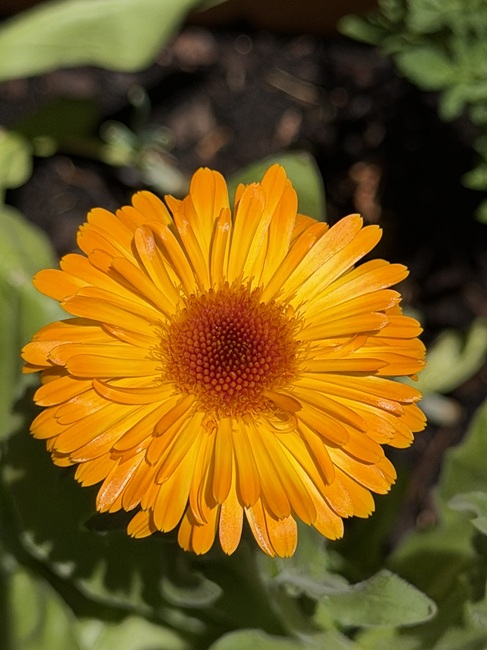
June 13, 2026
A close up from the above
Images (c) RK
13-Jun-2026
More by : Rajender Krishan
Top | Photo Essays | Home

|
Gardening beyond ! Beautiful write up about the planting and flowering of the amazing calendula. Natural remedy for so many things and effective cooling and soothing impact! Wow! |
|
|
Beautiful. Love it. |
|
|
In Rajender’s 'flowering' story of calendula, its mysterious part is the 'fascinating' emergence of the marigold plant in between. |
|
|
Such a refreshing read ! Wonderful to live life, feeling alive with florafauna! Absolutely a pleasure to know about calendula and its various flowering aspects... |
|
|
Wonderful write. What a lovely garden As a staunch homeopath follower, I can vouch for it as a remedy for cuts and bruises... |
