Sep 16, 2026
Sep 16, 2026
An Integrated Study of Sikh Spiritual Philosophy and the Indian Raga Tradition
Gurmat Sangeet is the spiritual and musical tradition of Sikhism that serves as the foundation of devotion, meditation, and cultural consciousness. It is not merely a genre of music but an integral part of the spiritual philosophy established by the Sikh Gurus.
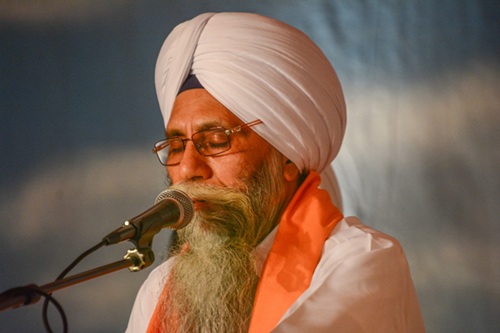
The tradition involves singing the sacred hymns (Gurbani) of the Sri Guru Granth Sahib in prescribed Indian classical ragas. The primary objective of Gurmat Sangeet is not artistic performance alone but the attainment of divine realization, inner purification, mental tranquility, and the promotion of universal human values. Rooted in the rich heritage of Indian classical music, Gurmat Sangeet represents a unique synthesis of spirituality and musical excellence.
Keywords: Gurmat Sangeet, Sri Guru Granth Sahib, Gurbani, Raga, Kirtan, Sikhism, Spiritual Music
Introduction
Indian music is one of the world’s oldest and most sophisticated cultural traditions, encompassing a wide spectrum of spiritual, devotional, and artistic practices. Within this rich heritage, Gurmat Sangeet occupies a distinctive place. The term Gurmat is derived from two Punjabi words: Guru (spiritual guide) and Mat (wisdom or teaching), meaning “the teachings of the Guru.” Thus, Gurmat Sangeet refers to the musical tradition that conveys the divine teachings of the Sikh Gurus through sacred melodies.
In Sikhism, music is regarded not as a source of entertainment but as an effective medium for attaining spiritual enlightenment. Guru Nanak Dev Ji employed music as a powerful means of communicating divine truths, enabling people from all walks of life to understand and experience the profound message of Gurbani.
Historical Development of Gurmat Sangeet
The origins of Gurmat Sangeet can be traced back to the fifteenth century during the lifetime of Guru Nanak Dev Ji (1469–1539), the founder of Sikhism. Throughout his spiritual journeys (Udasis), Guru Nanak was accompanied by his devoted companion and renowned rabab player, Bhai Mardana, who performed Gurbani on the rabab. This practice established the foundation of the Sikh musical tradition.
The succeeding Sikh Gurus further nurtured and expanded this tradition. A significant milestone was achieved by Guru Arjan Dev Ji, the fifth Sikh Guru, who compiled the Sri Guru Granth Sahib and systematically organized the hymns according to specific Indian classical ragas. This unique musical arrangement distinguishes the Guru Granth Sahib from other religious scriptures and reflects the profound relationship between spirituality and music in Sikhism.
The tenth Sikh Guru, Guru Gobind Singh Ji, also encouraged devotional music and strengthened the tradition of congregational Kirtan as an essential component of Sikh religious life.
Sri Guru Granth Sahib and the Raga System
The Sri Guru Granth Sahib is of immense significance not only as the sacred scripture of Sikhism but also as a remarkable musical text. It contains hymns composed in 31 principal ragas, along with several subsidiary and mixed ragas.
Some of the major ragas include:
Each raga is associated with a particular emotional mood, time of performance, and spiritual atmosphere. This demonstrates that Gurmat Sangeet is deeply rooted in the scientific and aesthetic principles of Indian classical music.
Characteristics of Gurmat Sangeet
The distinguishing features of Gurmat Sangeet include:
Musical Instruments Used in Gurmat Sangeet
Traditionally, Gurmat Sangeet employed several indigenous instruments, including:
In recent decades, scholars and musicians have made significant efforts to revive the authentic Gurmat Sangeet tradition through the restoration and performance of these traditional instruments.
The Spiritual Dimension of Gurmat Sangeet
The central purpose of Gurmat Sangeet is the remembrance of the Divine Name (Naam Simran). When Gurbani is sung in its prescribed ragas, it transcends ordinary musical performance and becomes a profound spiritual practice.
Gurmat Sangeet:
Within Sikhism, Kirtan is regarded as one of the most effective means of connecting with the Divine.
Contribution of Gurmat Sangeet to Indian Classical Music
Gurmat Sangeet has made several significant contributions to the Indian musical tradition:
Gurmat Sangeet in the Modern Era
In the digital age, Gurmat Sangeet has gained increasing international recognition. Today:
Contemporary Challenges
Despite its growing recognition, Gurmat Sangeet faces several challenges:
Measures for Preservation and Promotion
The following initiatives can strengthen the future of Gurmat Sangeet:
Conclusion
Gurmat Sangeet is an invaluable component of India’s spiritual and musical heritage. It is far more than a musical tradition; it is a way of life that guides humanity toward spirituality, morality, selfless service, and universal love. The raga-based structure of the Sri Guru Granth Sahib stands as one of the finest achievements in Indian musicology. In the contemporary world, preserving, researching, and promoting this remarkable tradition is essential to ensure that future generations continue to benefit from its profound spiritual wisdom and musical richness.
Image (c) istock.com
01-Aug-2026
More by : Dr. Deepika Tiwari