Oct 10, 2026
Oct 10, 2026
Wildlife is not just a country's natural wealth; it is also a vital link in its ecosystem. Forests, grasslands, wetlands, rivers, and marine ecosystems can remain balanced only when the diverse species inhabiting them are protected. India is among the world's most important countries in terms of biodiversity. It is home to a diverse range of habitats, from the Himalayas to the Western Ghats, the Thar Desert to the Sundarbans and the Andaman and Nicobar Islands. Therefore, wildlife conservation is not just an effort to save a few rare species, but also a question of protecting natural resources and human life.
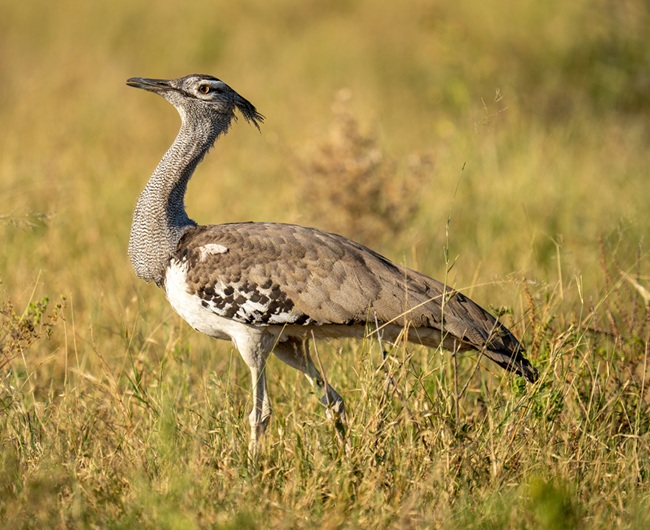
The efforts to scientifically reintroduce the captive-bred Great Indian Bustard (Godawan) to its natural habitat in Rajasthan are an example of India's emphasis on scientific interventions alongside traditional conservation measures.
The first and most obvious importance of wildlife conservation is protecting biodiversity. Every species plays a role in the ecosystem. The extinction of a species is not simply the loss of a single individual, but can also affect many biological processes associated with it. The conservation of a critically endangered species like the Great Indian Bustard is important because its survival is linked to the protection of its entire grassland habitat. Similarly, the conservation of the tiger has promoted the protection of large forest areas, prey species, and the entire food chain in India. Therefore, the conservation of an 'umbrella species' can provide a protective shield for many other species.
Wildlife also plays a vital role in maintaining ecological balance. Predatory species control herbivore populations, pollinators aid plant reproduction, and many birds and small creatures contribute to seed dispersal. Weakening a crucial link in the food chain can have devastating effects on the entire ecosystem. Healthy forests and grasslands also contribute to water conservation, soil quality, and carbon sequestration. Thus, wildlife conservation is directly linked to climate and environmental security.
Wildlife conservation also ensures numerous ecological services for human society. Conservation of forests and wetlands helps conserve water, recharge groundwater, control floods, and moderate temperatures. Conservation of bees, butterflies, and other pollinators is linked to agricultural productivity. Similarly, natural habitats contribute to carbon storage and help mitigate the effects of climate change. Therefore, protecting nature is not just an environmental responsibility; it is also fundamental to food, water, and livelihood security.
Wildlife conservation is also of no small economic importance. National parks, sanctuaries, and tiger reserves promote nature-based tourism, creating employment and income opportunities for local communities. If tourism is developed with local participation and within environmental constraints, conservation and livelihoods can complement each other. Furthermore, wildlife is part of India's cultural and natural heritage. It is our generation's responsibility to ensure that future generations see tigers, elephants, great Indian boas, rhinoceroses, lions, and numerous bird species in their natural surroundings.
However, the challenges facing wildlife conservation are serious. The most significant challenge is habitat degradation and fragmentation. Growing populations, agricultural expansion, mining, roads, railways, industries, and other infrastructure projects are shrinking wildlife habitats. Fragmented forests affect animal movement and breeding. Protecting wildlife corridors is essential, especially for large species such as elephants, tigers, and leopards.
Modern infrastructure development has also brought new challenges. Road and rail accidents, collisions with power lines and energy infrastructure can threaten many bird and other wildlife species. The Great Indian Bustard is a significant example. Simply increasing bird numbers is not enough to conserve it; threats to its habitat must also be mitigated. This highlights the need for conservation strategies to be both species-focused and landscape-focused.
Human-wildlife conflict also poses a major conservation challenge. When elephants enter farmlands, leopards appear near settlements, or wild animals damage crops, they pose real economic and security challenges for local people. If conservation benefits do not reach local communities, resentment towards conservation can develop. Similarly, poaching and wildlife trafficking continue to threaten some species. Climate change further complicates this challenge, as changing temperature and rainfall patterns are impacting the traditional habitats of many species.
Therefore, the strategy ahead must be multifaceted. First, natural habitats must be protected while simultaneously restoring damaged habitats. Wildlife corridors must be scientifically identified and protected. Environmental clearances for development projects must consider not just a single protected area, but the entire landscape and wildlife movement. Where scientifically appropriate, captive breeding, gene banks, radio-tagging, camera traps, and other modern technologies should be utilized. Breeding and restoration programs for endangered birds like the Great Indian Bustard will only be successful if their natural habitats are also protected.
The participation of local communities is one of the most important prerequisites for conservation. Instead of treating villagers as mere conservation law enforcers, they should be made partners in conservation. Eco-tourism, local handicrafts, sustainable livelihoods based on natural resources, and conservation-related employment opportunities can be promoted. In the event of human-wildlife conflict, prompt and transparent compensation systems and rapid response mechanisms at the local level are also essential.
Ultimately, wildlife conservation needs to go beyond the narrow concept of "saving animals." The real goal is to protect the forests, grasslands, wetlands, and biological corridors on which the future of countless species and humanity depends. Scientific research, modern technology, stringent laws, safe habitats, and the active participation of local communities—all must be integrated. India's development journey will be considered sustainable only if it also includes adequate space for nature. Saving wildlife is actually saving the ecosystem, which ultimately underpins human survival.
Image (c) istock.com
10-Oct-2026
More by : Dr. Priyanka Saurabh
Top | Environment | Home
