Oct 04, 2026
Oct 04, 2026
Madhubani painting, popularly known as Mithila painting, is one of the most vibrant and enduring forms of Indian folk art. Originating in the Mithila region of Bihar and adjoining areas of Nepal, this traditional art form has captivated art enthusiasts across the world with its striking colors, intricate patterns, and rich cultural symbolism.
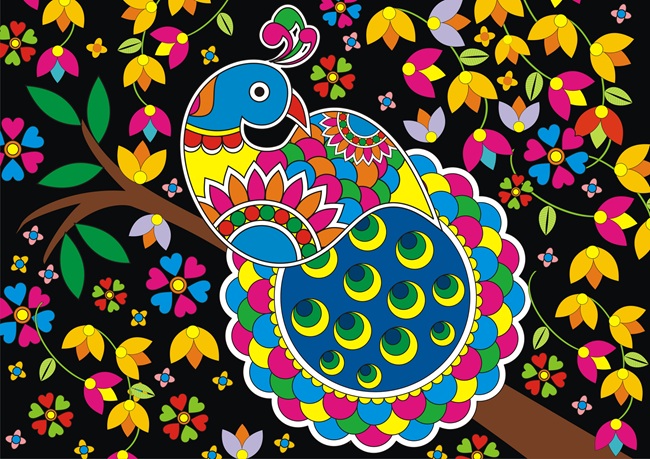
A recollection of Madhubani paintings evokes memories of a tradition deeply rooted in the social, religious, and cultural life of the people of Mithila. More than a visual art, Madhubani painting represents a living heritage that continues to preserve the values, beliefs, and collective memories of a community.
The origins of Madhubani painting are often linked to ancient legends. According to popular folklore, King Janaka of Mithila commissioned artists to decorate his kingdom during the wedding of his daughter, Sita, to Rama. While the historical accuracy of this legend remains uncertain, it reflects the deep cultural significance attached to the art form. For centuries, women of Mithila painted the walls and floors of their homes during festivals, weddings, and religious ceremonies. These paintings served both decorative and spiritual purposes, transforming ordinary spaces into sacred and aesthetically pleasing environments.
One of the most remarkable features of Madhubani painting is its distinctive style. The paintings are characterized by bold outlines, vivid colors, intricate detailing, and the absence of empty spaces. Artists fill every part of the canvas with motifs such as flowers, leaves, birds, fish, animals, and geometric patterns. Nature occupies a central place in these artworks, symbolizing harmony between human beings and the environment. The sun, moon, trees, and rivers frequently appear in the paintings, reflecting the agrarian lifestyle and ecological consciousness of the Mithila people.
Religious and mythological themes dominate many Madhubani paintings. Images of Hindu deities such as Krishna, Radha, Shiva, Parvati, and Durga are common subjects. Episodes from epics like the Ramayana and the Mahabharata are also frequently depicted. These paintings function not merely as artistic expressions but as visual narratives that transmit cultural and religious knowledge from one generation to another.
Traditionally, Madhubani artists relied on natural materials to create their works. Colors were derived from flowers, leaves, turmeric, soot, rice paste, and other locally available resources. Brushes were made from bamboo twigs and natural fibers. This use of eco-friendly materials reflects the close relationship between art and nature in the Mithila tradition. Over time, artists adapted their techniques to modern materials such as paper, cloth, and canvas, enabling the art form to reach wider audiences without losing its essential character.
Several distinct styles of Madhubani painting have evolved over the years. Bharni is known for its vibrant colors, while Kachni emphasizes fine lines and intricate patterns. Other styles, such as Tantrik, Godna, and Kohbar, focus on religious symbolism, tattoo-inspired motifs, and marriage-related themes. Each style contributes to the richness and diversity of the Madhubani tradition.
The twentieth century marked a turning point in the history of Madhubani painting. As artists began transferring their work from walls to paper, the art gained national and international recognition. Exhibitions, cultural festivals, and government initiatives helped bring Madhubani painting to global audiences. Today, it is celebrated as an important symbol of India's folk heritage and cultural identity.
In conclusion, Madhubani painting is far more than a decorative art form. It is a repository of history, mythology, tradition, and community memory. Its vibrant colors, symbolic imagery, and meticulous craftsmanship continue to inspire artists and admirers around the world. A recollection of Madhubani paintings is, therefore, a recollection of a living cultural tradition that beautifully bridges the past and the present, ensuring that the artistic legacy of Mithila remains vibrant for future generations.
Image (c) istock.com

|
Nice article on Madhubani art. The article is educative and sensuous. Thanks to the author. |