Oct 24, 2026
Oct 24, 2026
Youth are the backbone of our nation and the future leaders of society. They have the energy, creativity, knowledge, and courage to bring positive changes to the world. In today's society, injustice can be seen in many forms, including bullying, discrimination, gender inequality, corruption, and the violation of human rights. These problems affect individuals as well as the development of society.
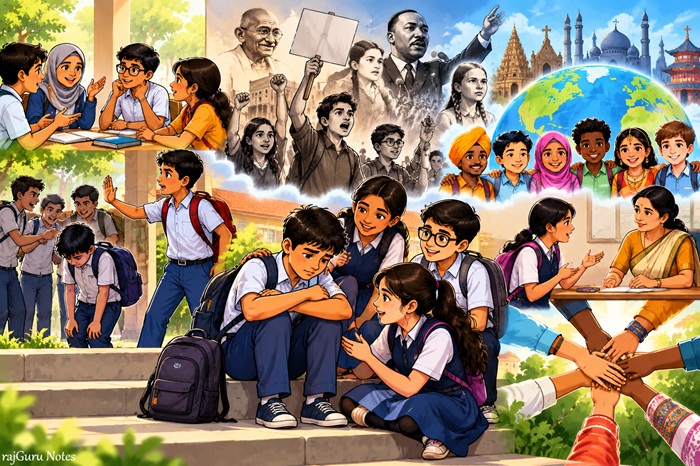
When young people witness injustice, they face an important question: should they speak up against what is wrong, or should they remain silent to avoid trouble? Speaking up can help protect innocent people, promote equality, and encourage others to stand for justice. At the same time, young people may fear criticism, rejection, or negative consequences when they express their opinions. Therefore, the question of whether youth should speak up when they see injustice requires us to consider both the importance of courage and the need for caution. By understanding both sides, young people can learn how to stand for what is right and contribute to a fairer, safer, and more equal society.
Why Should Youth Speak Up?
Young people should raise their voices against injustice because silence can allow unfair treatment to continue. Whether it is bullying in school, discrimination in society, or the denial of someone's rights, speaking up can encourage fairness and equality. Youth can support those who are being mistreated, spread awareness, and inspire others to stand against wrongdoing. Even a small act of courage, such as helping a bullied classmate or reporting unfair behaviour, can make a meaningful difference. Youth should understand that every voice matters. They do not need to be powerful or influential to make a difference. Even a small, responsible action can help someone who is suffering from injustice.
The Importance of Courage and Responsibility
Speaking up requires courage, but it should also be done responsibly. Youth should understand the situation, check the facts, and express their opinions respectfully. They can seek help from teachers, parents, trusted adults, or the appropriate authorities when necessary. Standing against injustice does not mean fighting or behaving aggressively. It means choosing truth, fairness, kindness, and peaceful action. Not every situation can be handled alone. When injustice involves threats, violence, or a significant difference in power, young people should seek help from trusted adults or appropriate authorities rather than putting themselves at risk. Young people who demonstrate courage, fairness, and responsibility can inspire their friends and classmates to behave respectfully and stand against injustice. Before sharing information about an incident online, youth should verify its accuracy and respect people's privacy. They should avoid spreading unverified accusations or encouraging online harassment.
The Opposing Viewpoint: Why Might Youth Hesitate?
Although speaking up is important, it is not always easy or safe. Young people may fear rejection, bullying, punishment, or threats from those who hold more power. They may also lack enough information to understand a situation fully. In some cases, speaking out publicly without checking the facts can spread misunderstandings or make a conflict worse. Therefore, it is reasonable for young people to pause, understand the situation, and consider the safest way to respond. However, these concerns should not become excuses to ignore injustice completely. Seeking help from a trusted adult or reporting the issue privately can also be effective ways to take action. Youth should understand that every voice matters. They do not need to be powerful or influential to make a difference. Even a small, responsible action can help someone who is suffering from injustice.
The Role of Youth in Society
Students can make a difference by supporting classmates who experience bullying, treating everyone equally, respecting different opinions, and reporting unfair behaviour. Even small actions can create a safer and more respectful environment. History shows that young people have often contributed to social change by questioning unfair practices and demanding equal rights. Their participation can help build a society based on justice and humanity. Society includes people with different cultures, languages, beliefs, and experiences. Youth can promote unity by respecting these differences and rejecting prejudice and discrimination. Young people can participate in tree-planting activities, waste-reduction campaigns, and environmental awareness programmes. They can also speak up when they notice harmful environmental practices. Many social problems cannot be solved by one person alone. Youth can work together with classmates, teachers, families, and community organizations to develop practical solutions.
Conclusion
Should youth speak up when they see injustice? Yes, but they should do so with courage, wisdom, and responsibility. While silence may sometimes be necessary for personal safety, indifference should never become a habit. Young people must learn to balance courage with caution and honesty with respect. A just society is not built by people who never make mistakes or never feel afraid. It is built by people who choose to do what is right, even when it is difficult. Every young person can contribute to that change by standing up for fairness in a safe and thoughtful way.
Image from the collection of rajGuru Notes - ChatGPT generated
