Oct 02, 2026
Oct 02, 2026
Why the Perfect Cure Rarely Makes it to Market
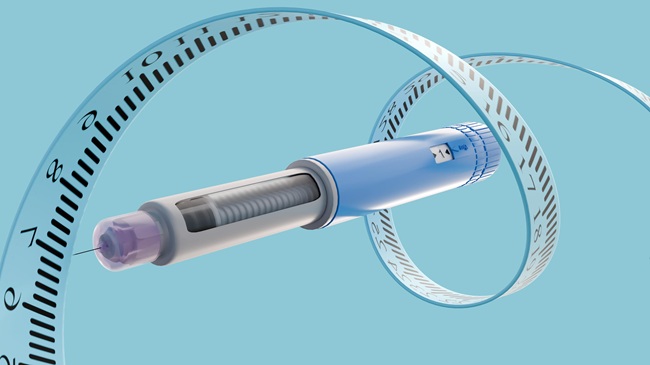
The Cure That Never Came
Imagine a locksmith who earns more by fixing the same door every month than by repairing it once and for all. Or a mechanic who quietly hopes your car never truly runs well—because a perfect engine is bad for repeat business. Now scale that logic up. Far up. To healthcare. To human suffering. To global balance sheets.
Modern drug discovery is less about eliminating disease and more about monetizing duration. Not healing the patient, but onboarding them. Not closing the chapter, but converting it into a subscription. The business logic it exposes is not fictional. It is structural.
Chronic conditions — diabetes, hypertension, asthma, arthritis, depression — are not just medical categories anymore. They are revenue models. Lifetime customers. Predictable cash flows. Stable forecasts.
A cure ends a story. A treatment extends it indefinitely. And markets, as they are currently designed, reward continuity over closure.
From Hospitals to Home Screens
You see this logic everywhere once you recognize it.
The phone app that never fully fixes your productivity problem, but keeps pushing “premium features.”
The fitness industry that thrives more on guilt cycles than genuine health.
The education ecosystem that sells endless certifications without ever delivering mastery.
The financial advisory that keeps you “planning” but never truly free.
In healthcare, the stakes are simply higher.
An insulin-dependent diabetic is not just a patient; they are a 40-year revenue projection. An asthma inhaler that manages symptoms but never resolves root causes ensures predictable demand. Even mental health, once a sanctuary of healing, increasingly risks becoming an algorithm of renewals.
This is not about evil individuals. It is about incentives.
Markets do not ask whether something is moral. They ask whether it is scalable.
The Silent Shift: From Healing to Managing
There was a time — civilizationally speaking — when medicine aspired to restoration. The physician was judged by how quickly the patient no longer needed him. Today, success is measured in adherence rates, refill consistency, and lifetime value per patient.
This is why preventive care struggles for funding while tertiary care attracts billions. Why lifestyle interventions are dismissed as “soft,” while lifelong medication is called “evidence-based.” Why nutrition, sleep, movement, and mental discipline — low-margin solutions—rarely receive the same institutional enthusiasm as patented molecules.
A cured patient exits the system. A managed patient sustains it. And so the system quietly evolves its preferences.
The Moral Paradox of Modern Progress
None of this means drugs are useless. They save lives daily. They relieve suffering. They buy time. That must be acknowledged honestly. But buying time is not the same as restoring health.
The paradox of our age is this: we have never been more technologically capable of curing — and never more economically disincentivized to do so. When quarterly earnings sit across the table from human well-being, the negotiation is rarely fair. And when healing competes with shareholder expectations, healing is asked to wait.
Final Thoughts: Questions That Refuse to Go Away
What happens to medicine when success is defined by recurring prescriptions rather than resolved illnesses?
Can a system designed for profit ever fully align with a mission of permanent healing?
At what point does “treatment” quietly become dependency by design?
And if cures truly disrupt business models, what does that say about the models we have chosen to protect?
These are not anti-science questions.
They are pro-human ones.
Because a civilization must eventually decide what it values more: the endurance of markets — or the restoration of people.
Image (c) istock.com
24-Jan-2026
More by : P. Mohan Chandran
