Oct 02, 2026
Oct 02, 2026
How Civilizations Ate for Wisdom & Modernity Eats for Convenience

There was a time when food was not a product but a relationship. A relationship between soil and season. Between fire and patience. Between the human body and the intelligence of nature. Today, food has been downgraded to an industrial input — standardized, packaged, shipped, frozen, reheated, and monetized. It still fills the stomach, but it no longer speaks to the body. Civilization once ate to align. Modernity eats to optimize.
The difference is not cultural nostalgia. It is biological consequence.
Traditional food systems — whether Indian, Mediterranean, East Asian, African, or indigenous — were not built by chefs or corporations. They were built by survival, observation, and failure across centuries. Industrial nutrition, by contrast, is barely a few decades old, yet it behaves as if it has outgrown biology itself.
Traditional Food Wisdom: Eating as ‘Alignment’
In traditional civilizations, food was inseparable from time. What you ate depended on the season, the climate, the body’s condition, and the work you were doing. Fermentation, soaking, slow cooking, and resting were not culinary trends; they were biological technologies.
Grains were fermented not for taste alone but to make them digestible. Vegetables were cooked with fats to unlock nutrients. Spices were used not merely for flavor but to regulate digestion, inflammation, and microbial balance. Meals were eaten warm, fresh, and close to preparation because freshness was understood intuitively as life force.
There were no labels screaming “immune boosting.” Immunity was assumed — because the food cooperated with the body instead of challenging it.
Food was local not because of ideology, but because distance diluted vitality. Preservation existed, but it was gentle — drying, fermenting, pickling — methods that added microbial intelligence instead of erasing it.
Industrial Nutrition: Eating as ‘Engineering’
Industrial food systems begin with a different assumption: that food is a mechanical object. Once calories, proteins, fats, and carbohydrates are quantified, the rest is treated as negotiable.
Processing removes variability — the very thing biology depends on. Refrigeration arrests decay cosmetically. Additives simulate taste lost in manufacturing. Packaging replaces trust. Shelf life becomes a proxy for value.
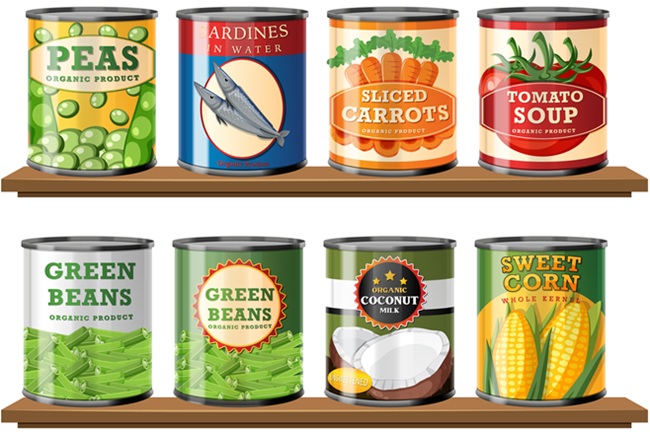
In this model, food is designed not for digestion, but for distribution. Not for harmony with the gut, but for predictability in profit margins. Nutrients are isolated, fortified, reinserted, and advertised — like spare parts in a machine that was never meant to be dismantled.
The immune system, however, does not read nutrition labels. It reads patterns. And industrial food presents patterns that human biology has never encountered before.
The Gut as the ‘Civilizational Battleground’
Traditional diets nurtured microbial diversity naturally. Fiber-fed bacteria thrived. Fermented foods replenished the gut ecosystem daily. The immune system was trained continuously through exposure, variation, and rhythm.
Industrial diets do the opposite. They sterilize, simplify, and standardize. Emulsifiers disrupt gut barriers. Excess sugars promote inflammatory microbes. Artificial sweeteners confuse metabolic signaling. The gut, deprived of diversity, responds with inflammation.
Civilizations once protected the gut instinctively. Modern systems assault it efficiently.
Speed Vs Wisdom
Traditional cooking was slow because bodies are slow learners. Digestion is not an algorithm. It is a conversation between enzymes, microbes, hormones, and immune cells. Speed breaks that conversation.
Industrial nutrition worships speed. Fast food. Instant meals. Ready-to-eat. Ready-to-drink. Ready-to-die later.
The tragedy is not that convenience exists. It is that convenience has been elevated above consequence.
Soft Drinks: The Anti-Food Symbol
If traditional food represents continuity with nature, bottled soft drinks represent a clean break from it. Sugar without fiber. Acidity without minerals. Gas without nourishment. They are not derived from food traditions; they are derived from marketing logic.
No civilization ever evolved drinking carbonated sugar water daily and survived intact. Yet modernity consumes it casually, then medicalizes the fallout.
What Civilizations ‘Knew’ That We ‘Forgot’
Traditional societies did not speak of “immune systems,” but they respected balance. They did not calculate micronutrients, but they honored freshness. They did not count calories, but they understood satiety.
Modern nutrition speaks the language of science while ignoring its conclusions. Civilization once listened to the body. Industry listens to quarterly reports.
Final Thoughts: Progress or Amnesia?
When did eating stop being an act of intelligence and become an act of compliance?
This is not a call to reject modernity. It is a call to remember civilization. Because when food loses its ‘wisdom,’ no amount of ‘technology’ can ‘digest the consequences.’
Images (c) istock.com
14-Feb-2026
More by : P. Mohan Chandran

|
Nice article.Thought provoking.r4 |